Financial services brands are under pressure to find differentiated reach. Search and social are table stakes, and the brands that stand out are finding ways to show up in the physical world, in moments that matter to consumers.
In-store retail media is one channel where that's happening. Grocery TV CEO Marlow Nickell joined Marketing Millennials’ Daniel Murray and Fintech Takes’ Alex Johnson to talk about why fintech brands in particular are leaning in, and what's working.
Why fintech gravitates toward advertising in the store
Fintech companies are digitally native by default, which creates a real brand-building problem. Most fintech apps look and feel similar, and the best ones are designed to stay out of the way. That scarcity of brand touchpoints pushes companies toward channels with physical presence.
Consumers treat financial services as one of the highest-stakes product decisions they make. Physical presence, even through a screen at checkout, builds a kind of trust that digital alone struggles to create.
"Fintech is dismissive of bank branches, but also secretly jealous of them," Johnson said. "It's a huge benefit to have that social proof with a physical presence in the communities you're trying to serve."
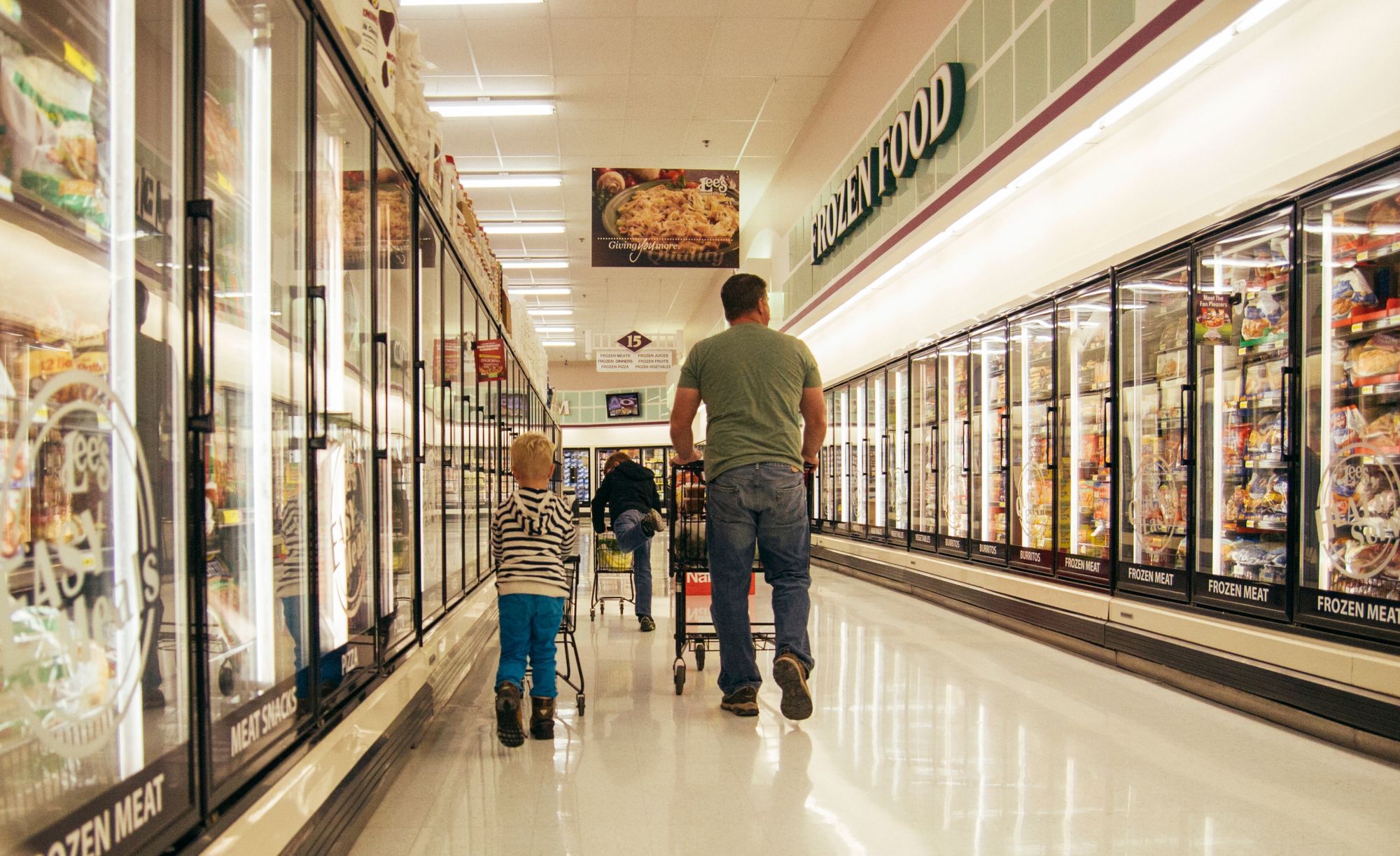
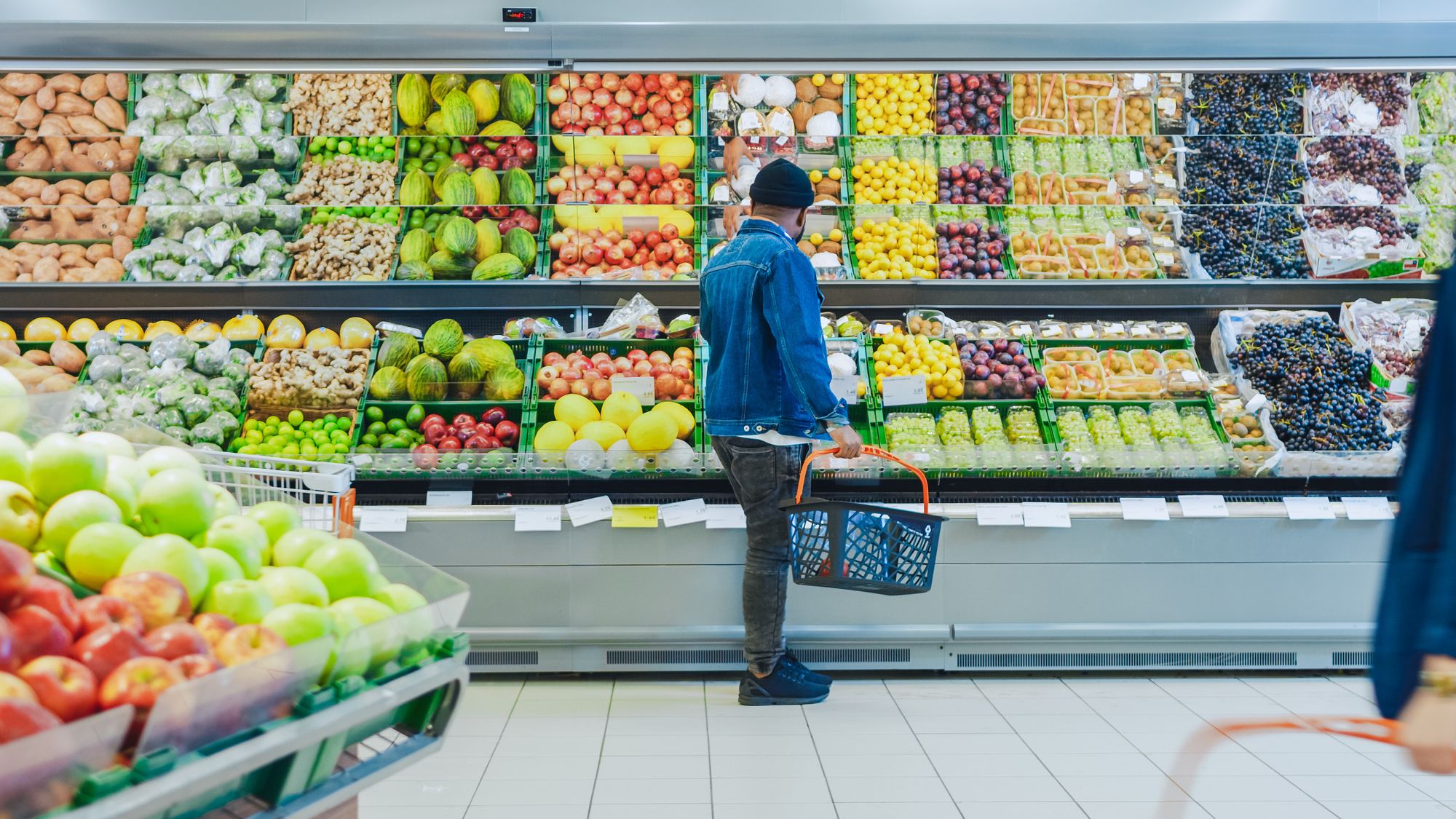
Grocery stores are a natural fit for that reason. Grocery TV's network spans 6,500 stores across 120 retail partnerships, reaching about 95 million shoppers weekly, and the person doing the shopping is typically the household decision-maker.
"Money is very much on the mind," Nickell said, "in terms of what they're buying, and for their whole household experience, generally."
The open wallet moment
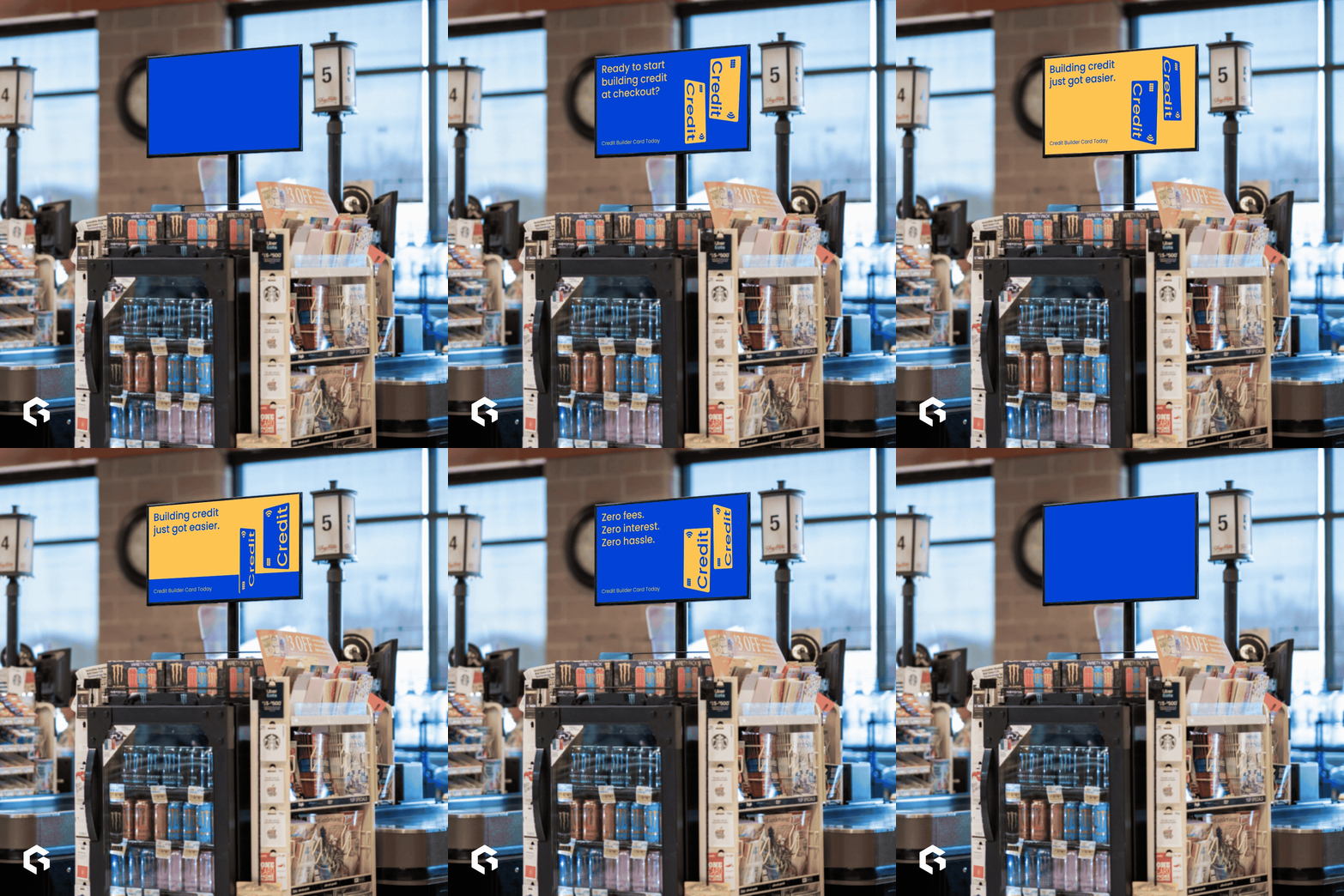
There's a meaningful difference between reaching someone on the couch and reaching someone at checkout: one is a passive moment, the other is active.
Johnson called it the difference between closed and open wallet moments: "Being able to influence someone in that open wallet moment is a much more influential place to be. There are very few moments where you can reach a customer at that exact point."
The checkout aisle averages about four and a half minutes of dwell time. Nickell pointed to credit card companies running point-back promotions there as one of the clearest use cases: "You've usually got a couple of cards in your wallet. It's a really obvious and natural time to say, hey, make sure you use this card because we're going to help you with extra cash back on groceries."
What makes targeting work without cookies
In-store retail media doesn't rely on cookies or personal identifiers. Audience data comes from store-level mobile panel data: traffic patterns, frequency, and demographic composition that allows for accurate segmentation without the privacy friction of online tracking.
Where someone shops is predictive of a lot of other things about them, and fintech companies already think this way. A brand targeting young high earners is going to find them in different stores than a brand targeting middle-income earners in mid-size cities. "By picking a set of stores," Nickell said, "you know you're going to reach the audience you want with pretty high fidelity."

A six-week campaign Grocery TV ran with a financial health app showed 82% lift in brand rating, 72% lift in recommendation intent, and 34% lift in unaided brand awareness, all measured against a control group. Those results were significantly higher than what the brand saw across its other digital channels, and it has scaled investment since.
Getting started
For brands considering a first test, Nickell recommends starting with a tightly scoped objective, a defined audience subset, and a campaign window of at least six weeks, ideally a full quarter.
"People shop once a week," he said. "If you want 10 to 14 exposures, that's going to take two to three months." Most inventory is available programmatically through major DSPs, with the option to move into curated PMP deals as investment grows.
The store reflects the community it serves. For fintech brands trying to reach a specific segment of consumers in a moment when money is genuinely on their mind, that's a harder combination to replicate anywhere else.
Want to reach household decision-makers while their wallets are out? See how Grocery TV works for finance brands.